Vin Howe
Twitter (DM me) · Google Scholar · GitHub · LinkedIn · Calendly · vin @ my other domain
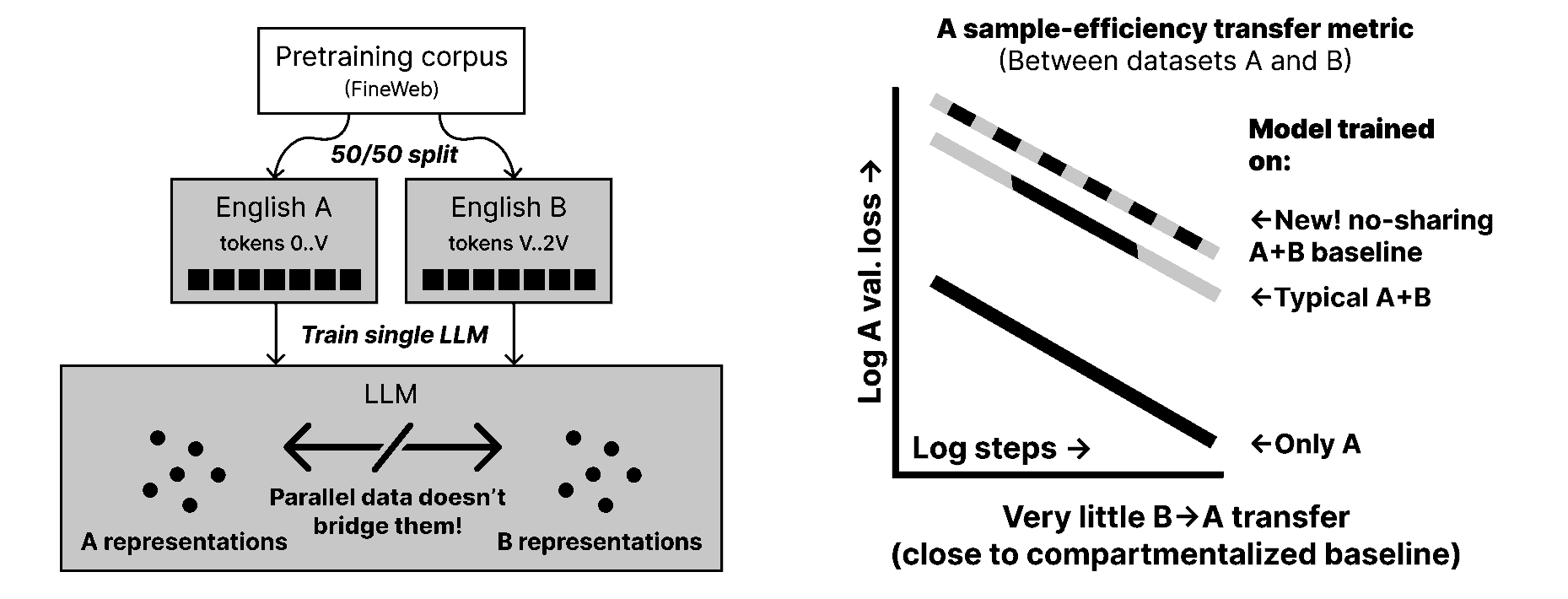
I’m a MATS 10.0/10.1 scholar supervised by Oliver Sourbut, where I'm working on a benchmark for multi-agent epistemic propensities. I'm also a Master's student in computer science at Brigham Young University; under the supervision of David Wingate, I study learning mechanics in LLMs. Previously, I did my Bachelor's in BYU's Applied and Computational Mathematics program.
Blog
Projects
2025
2021

Research Interests
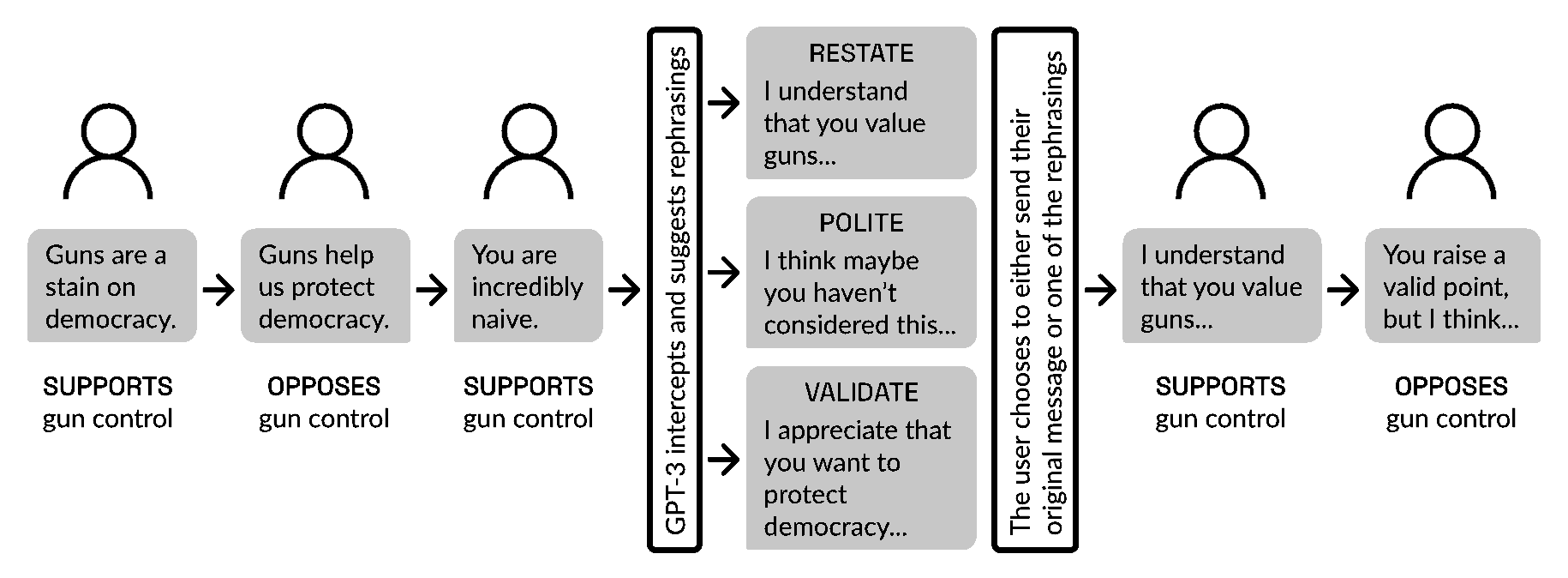
I'm interested in deeply understanding AI to prevent catastrophic risks. In particular, I've researched learning mechanics to help predict how AI (mis)generalizes, and, as part of MATS, I've benchmarked multi-agent epistemics to help determine if agents are responsible enough to be trusted with our knowledge commons. Previously, I worked on pro-social applications of AI, like creating a chatroom that used AI suggestions to help improve online political conversations.
Publications
2026
Thomas V Howe, David Wingate
Under review
2024
Jeffrey Olmo, Jared Wilson, Max Forsey, Bryce Hepner, Thomas V Howe, David Wingate
Findings of the Association for Computational Linguistics
2023
Lisa P Argyle, Christopher A Bail, Ethan C Busby, Joshua R Gubler, Thomas V Howe, Christopher Rytting, Taylor Sorensen, David
Wingate
Proceedings of the National Academy of Sciences